



16 May EU PAY TRANSPARENCY DASHBOARD
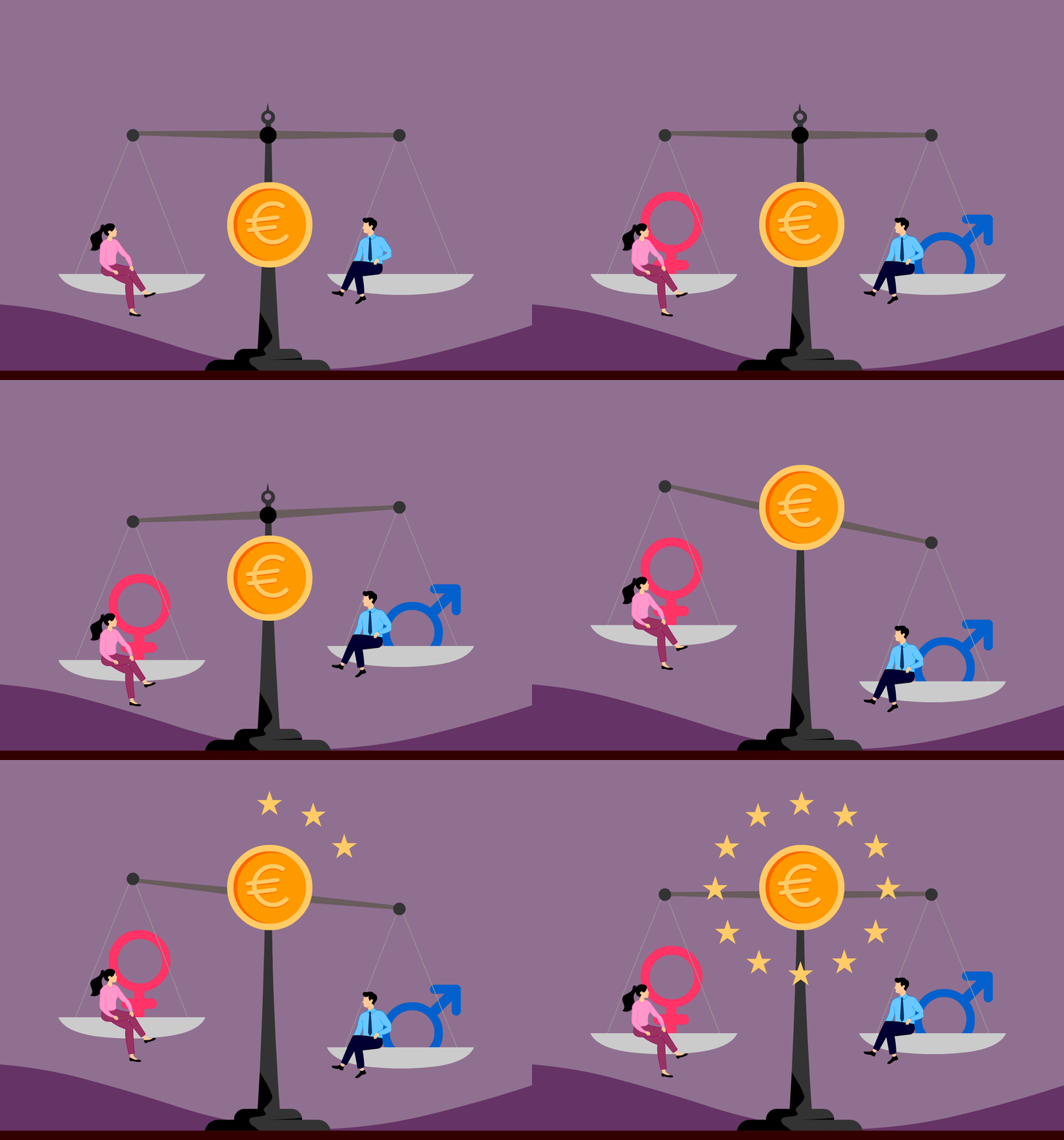
Prepare for EU Pay Transparency Requirements
Dakar’s EU Pay Transparency Dashboard helps employers prepare for the Employee Pay-related Information Requests, Gender Pay Gap Analysis, and the upcoming EU Reporting obligations.
Why prepare now?
June 2026
EU Member States are expected to transpose the Directive into national law by June 2026.
100+
Employers with 100 or more employees will have reporting obligations.
5%
Unexplained gender pay gaps above 5% may require action and justification.
What Employers
Need To Prepare For
The EU Pay Transparency Directive introduces new obligations for the employers to explain, monitor, and communicate pay-related information. The details may vary by country, but the core preparation areas are clear and Malta already transposed some parts of the Directive into it’s National law.
Recruitment Transparency
Prepare to share pay ranges or pay information with candidates and remove questions about previous salary history where required.
Pay Gap Reporting
Employers with 100 or more employees will have reporting obligations.
Objective Pay Structures
Unexplained gender pay gaps above 5% may require action and justification.
How Dakar helps
Simplify compliance readiness from one dashboard
The EU Pay Transparency Dashboard is designed to help HR, payroll, and leadership teams understand where they stand, identify data gaps, and prepare for reporting and employee information requests.
Monitor pay transparency readiness across the organization
Support gender pay gap analysis and reporting preparation
Review workforce data, job groupings, and compensation patterns
Prepare for employee access to pay-related information
Designed for today’s requirements and tomorrow’s obligations
Dakar’s EU Pay Transparency Dashboard supports clients with the requirements already reflected in Malta’s national framework, while helping them prepare for the wider Directive requirements expected across the EU.
Organisations can start by focusing on recruitment transparency and employee access to pay information, while building readiness for job grouping, gender pay gap reporting, and joint pay assessments.
Recruitment
Support transparent pay practices before hiring.
Employees
Prepare for pay-related information requests.
Reporting
Organise workforce data for future disclosures.
Governance
Document review processes and corrective actions.
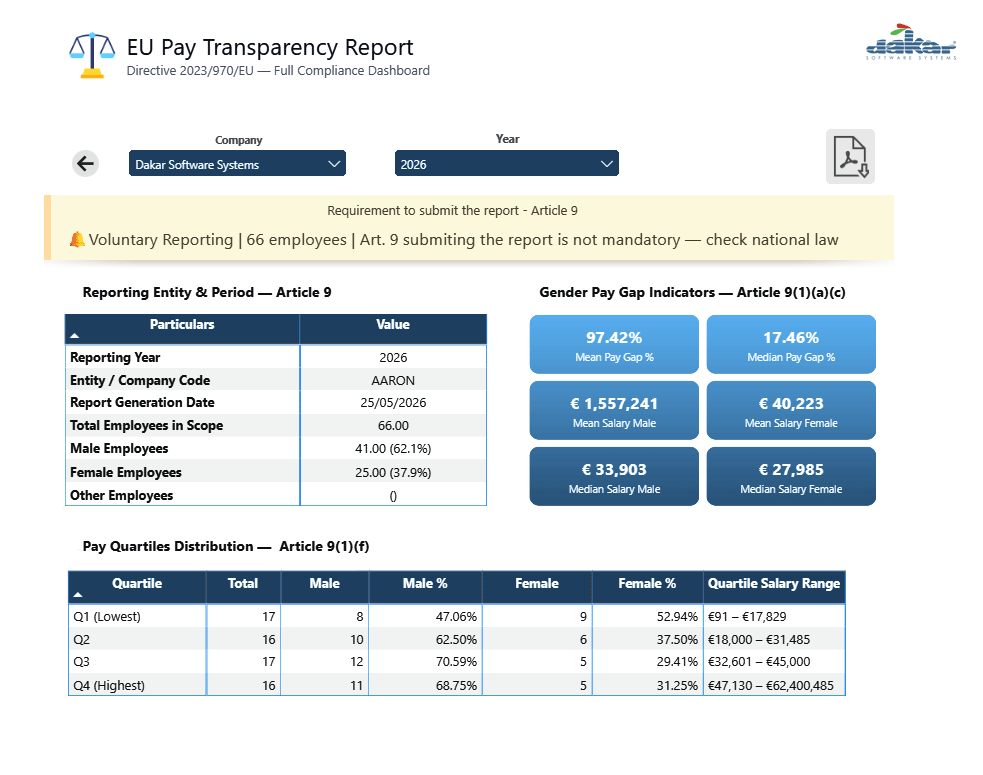
Book a Demo
See the EU Pay Transparency Dashboard in action
Request a webinar, in-person demo or additional information.
How the dashboard supports pay transparency readiness
How to approach job grouping and pay gap analysis
What HR and payroll data may be needed
Error: Contact form not found.
Frequently Asked Questions
Does this apply to every employer?
The Directive applies across EU Member States, but reporting obligations and timelines depend on company size and national implementation.
Why should we prepare before final national rules are complete?
Most preparation work depends on data quality, job architecture, pay criteria, and reporting readiness. These areas often take time to review and improve.
Can the EU Pay Transparency Dashboard help with future Directive requirements?
Yes. The EU Pay Transparency Dashboard is designed to support current transparency needs while helping clients prepare for broader EU requirements, including reporting and pay assessment readiness.
Is this legal advice?
No. This page provides general information about readiness and software support. Organisations should seek legal advice for formal compliance decisions.
Is Dakar EU Pay Transparency Dashboard a stand-alone tool, which can be integrated with other solutions?
Yes, Dakar’s EU Pay Transparency Dashboard can be integrated with your existing HR and Payroll solution.